What are the Flowers Saying?
Every flower in Japan has a story, a meaning that can change depending on its color, and sometimes, even how it's arranged. Here’s the thing, it's not always what you think. Let's look at a few common ones.
Sakura (Cherry Blossom)
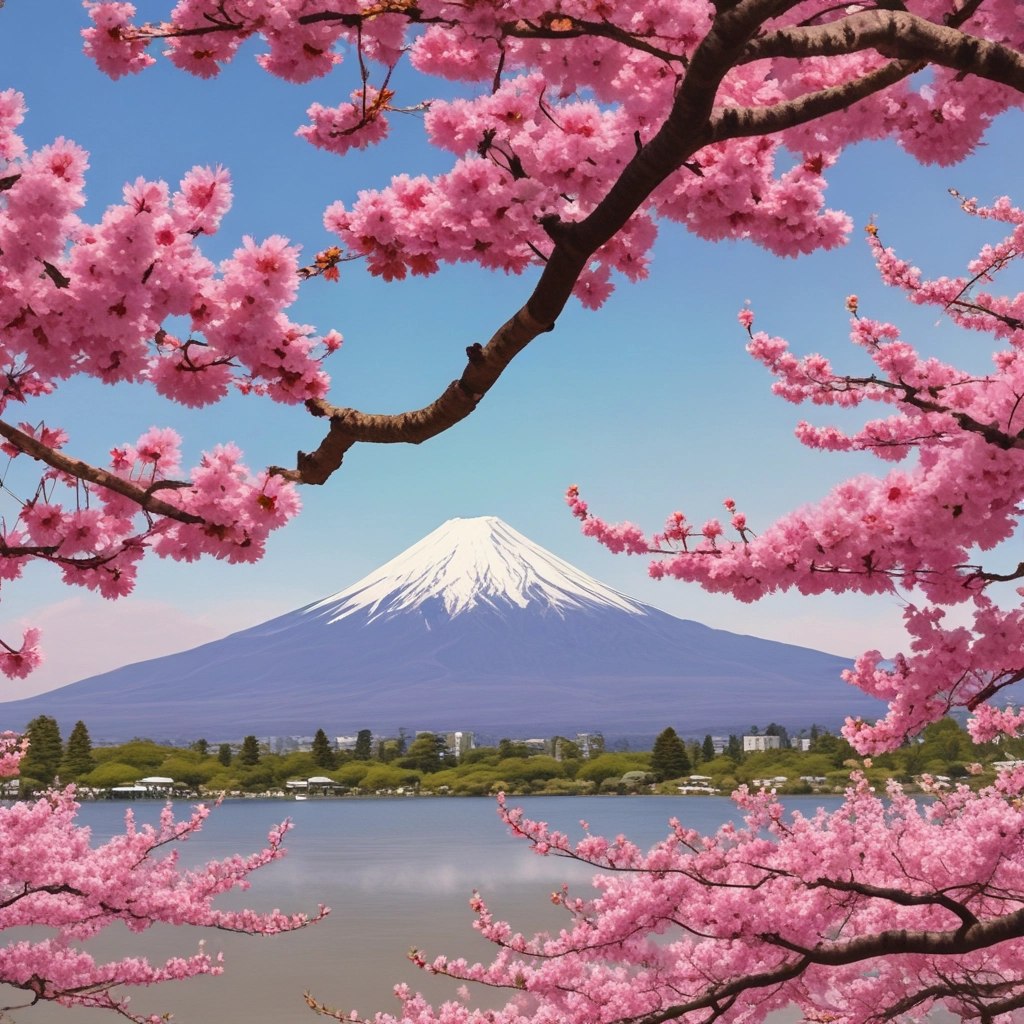
You'd be hard-pressed to find a flower more iconic to Japan than the cherry blossom. Everyone knows it, everyone loves it. But its meaning is tinged with a little sadness. It represents the fleeting nature of life, or mono no aware. Those blossoms bloom for just a few weeks, putting on an incredible show before falling to the ground like snow. It's a beautiful, poignant reminder that life is temporary, and we should cherish every moment. You might see this symbolism a lot in Japanese art, especially when a character's journey is a bit bittersweet.
Kiku (Chrysanthemum)
This one's the king of flowers in Japan and a symbol of the Imperial family. It stands for nobility, longevity, and purity. But here’s a mild contradiction: while yellow chrysanthemums represent the emperor, white ones are traditionally used for funerals, symbolizing grief. See? It's not so simple. You really have to pay attention to the little details.
Tsubaki (Camellia)
This flower has a fascinating dual meaning. Red camellias stand for love, but the way they die is what gives them a darker, more complex meaning. Unlike most flowers that drop their petals one by one, the camellia’s head falls off all at once. For this reason, it can also symbolize "a noble death," and was historically associated with samurai. It’s a powerful image, isn't it? One of beauty and grace, but also of sacrifice and finality.
Hasu (Lotus)
The lotus is super important in Buddhist tradition. It grows from the mud and dirty water, but its flower remains pure and untainted. So, it’s a symbol of purity, enlightenment, and spiritual awakening. It shows that even from the messiest, most difficult situations, something beautiful can emerge. A truly powerful and hopeful message, in my opinion.
Higanbana (Red Spider Lily)
You've probably seen this one in anime or manga. It's a striking red flower that blooms near cemeteries. It's a perfect example of Hanakotoba at its most direct: it represents final goodbyes, death, and never meeting again. When its flowers bloom, its leaves have already fallen, and when the leaves grow, the flowers are gone. This is a visual representation of two things that can never be together again. Pretty dramatic, right?