It's a Whole Mood, Isn't It? The Symbolism Behind the Blooms
The history of flower still life is a fascinating journey. It's not just about a vase of flowers; it's a conversation. In the past, especially during the Dutch Golden Age, these paintings were loaded with hidden meaning. You know, a single tulip could represent a family's wealth, a wilting bloom could remind viewers of life’s transient nature (a concept known as memento mori), and a lily might symbolize purity. This art form was a subtle, elegant way for artists to tell a story or reflect on life itself. It's a beautiful contradiction: capturing something fleeting and fragile with a medium designed to last.
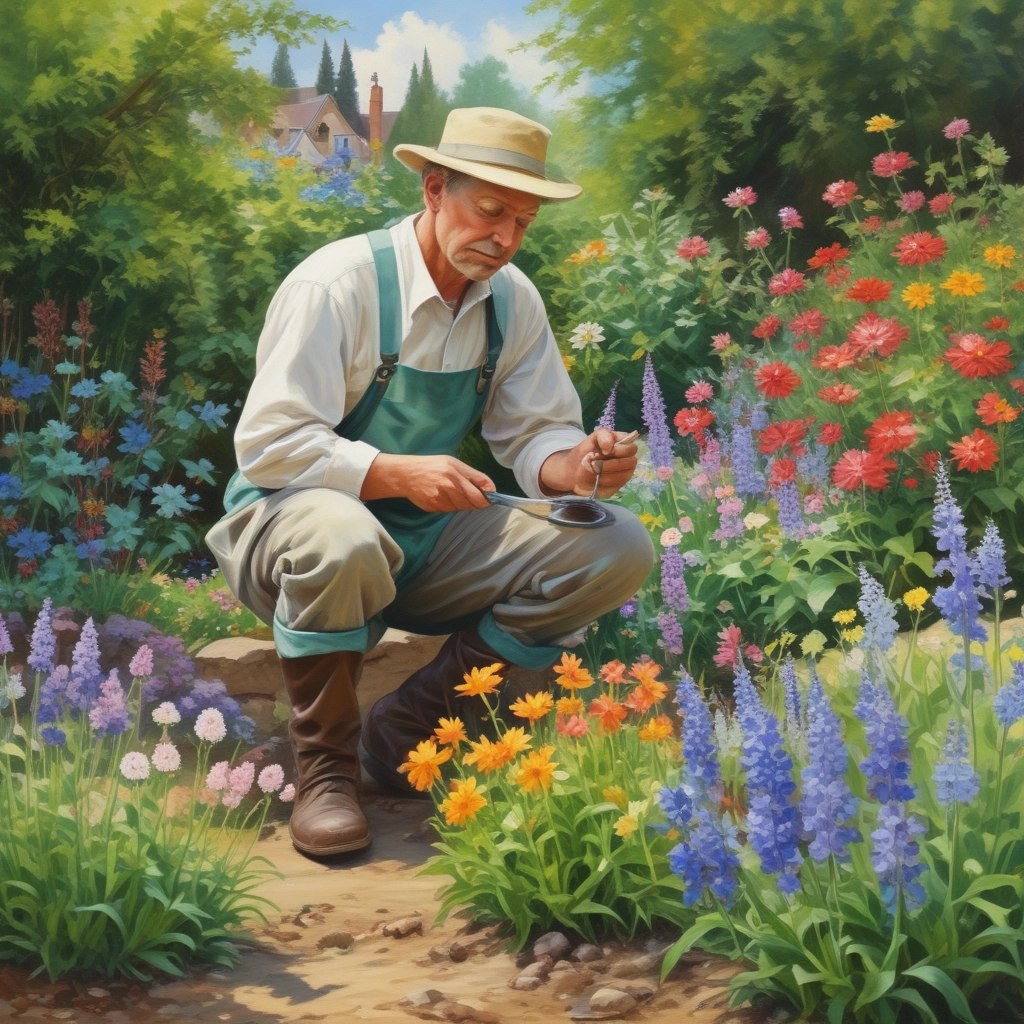
And the story doesn't end there. As art evolved, so did the way we saw flowers. The Impressionists, like Monet, were less concerned with perfect realism and more interested in capturing light and feeling. Their botanical art was all about the emotional resonance of a garden. They wanted you to feel the sun on your face and the breeze in the air just by looking at the brushstrokes. Later, artists like Vincent van Gogh—who, let's be real, had a thing for sunflowers—used flowers to express raw, unfiltered emotion. Each thickly applied layer of oil paint was a feeling, a moment of joy, or even a struggle.
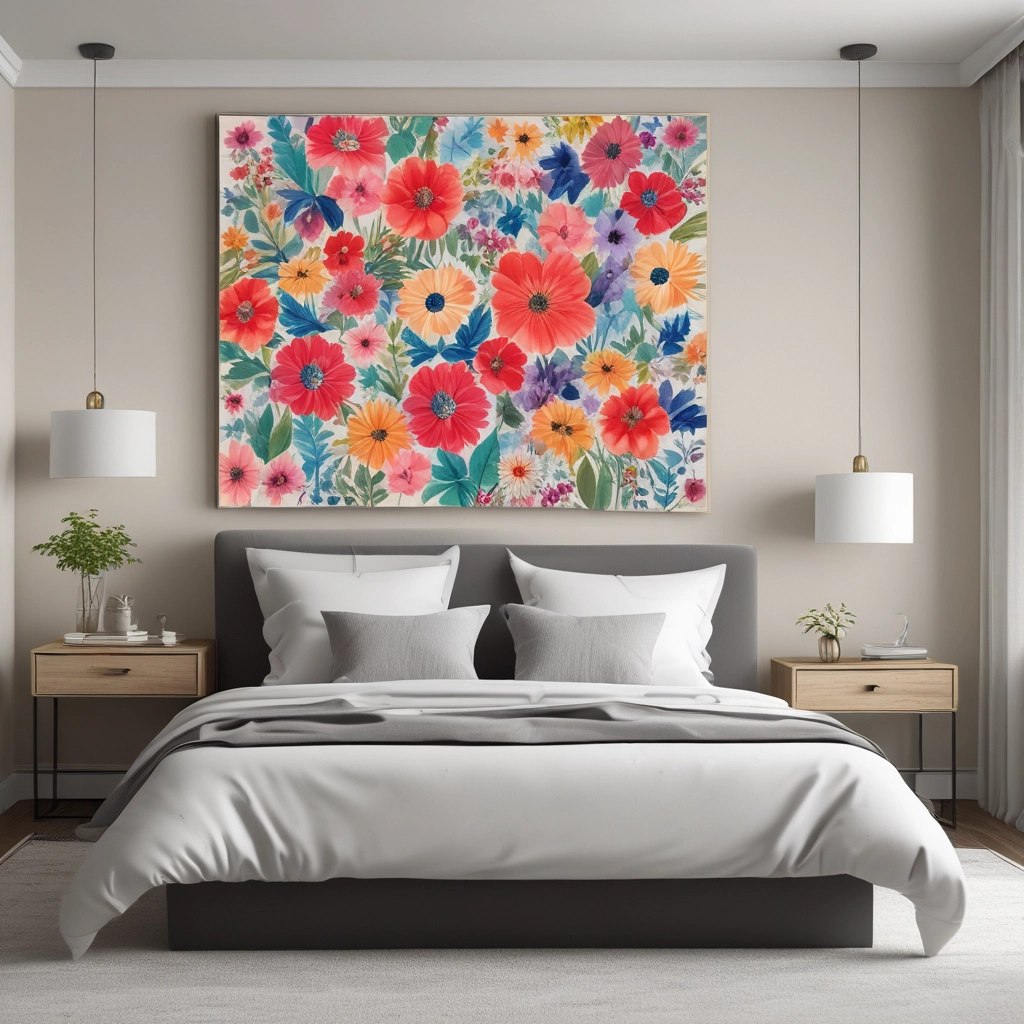
So, when you're looking at a flower painting today, you're not just seeing a pretty arrangement. You're seeing centuries of artistic and cultural conversation. You're seeing everything from meticulous, almost scientific detail to wild, expressive splashes of color. That’s the fun part: finding the piece that speaks to your own personal story.